
Parents are frequently on the lookout for activities that are not only enjoyable for children but also aid in their development. Enter Jenga, a classic game of physical skill that can double as a developmental aid, supporting the work of occupational therapists at home in a fun and interactive way.

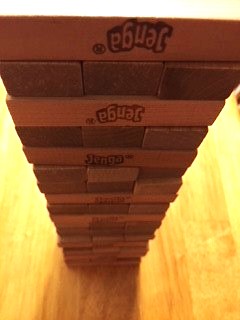
The Classic Game of Jenga: A Foundation for Growth
The traditional Jenga game is simple: stack wooden blocks to build a tower, and each player takes turns to carefully remove a block from any level of the tower and balance it on top. The game ends when the tower falls. Here’s how this simple game can promote developmental skills:
Fine Motor Skills: Jenga helps kids practice delicate maneuvers, strengthening dexterity and hand-eye coordination as they carefully remove and replace blocks.
Cognitive Development: Planning which block to move requires strategic thinking while adapting to the ever-unstable tower. It also fosters problem-solving skills.
Emotional Regulation: Jenga can teach patience and self-control, as players must wait their turn and handle the suspense of potentially toppling the tower without getting too frustrated.
Social Interaction: Playing Jenga together encourages kids to communicate, coaches them in taking turns, and is an excellent opportunity to teach the concepts of fair play and sportsmanship.
Variations on a Classic: Jenga With a Twist
To increase the benefits of Jenga and keep it fresh and exciting, here are some variations that can further enhance various skills:
Colorful Conversations
Using colored blocks or markers, customize your Jenga game to prompt discussions. For example, when a child pulls out a red block, they could share something they love; a yellow block might prompt them to talk about a happy memory. Color coordinate the blocks to certain experiences or emotions.
Counting and Constructing
Add numbers to the blocks to incorporate math skills into the game. Don’t feel the need to add numbers to each block as more numbers may add length and difficulty to the game. Children can practice addition and subtraction by tallying their numbers. Correlate the numbers to specific movements or emotional awareness questions as listed below. Have questions and/or exercises written out on a separate piece of paper with the numbers picked being the repetition of the exercise.

Emotions Tower
Write different emotions on the blocks. When your child selects a block, they can make a face that matches the emotion or discuss a time when they felt that way, enhancing emotional awareness and empathy. If the blocks are numbered, children can read a matching inspiration quote , identify a number (the specific number that is pulled out) of positive aspects about themselves or coping strategies they can use to increase self-concept and awareness as well.
Challenge Stack
For kids needing a boost in gross motor skills or proprioception (body awareness), write down a physical challenge on each block. This could include bear crawling, hopping on one foot, stretching, or touching their nose with their eyes closed.
Jenga: A Game for All Ages and Stages
Jenga can grow with your child, adapting to different developmental stages. Younger children may just enjoy the sensory experience of blocks tumbling down, while older children can engage with more complex variations.
Tips for Successful Play
- Supervise Young Children: Ensure the game is safe, especially for younger ones who might be tempted to put small pieces in their mouth.
- Encourage Inclusivity: Make it a family activity; everyone can get involved and benefit from the game, even if they’re just watching and cheering on their siblings.
- Keep It Light: Remember, it’s a game! The aim is to have fun and learn without pressure.
Conclusion: Stacking Up the Benefits
Jenga is more than a beloved wooden block game; it’s a tool for learning and growth that parents can easily implement at home. Whether enhancing motor skills, cognitive abilities, emotional understanding, or social skills, Jenga engages children in a playful yet profound way. Next time you bring out Jenga for family game night, you’ll know it’s building your child’s skills, one block at a time.
No responses yet