
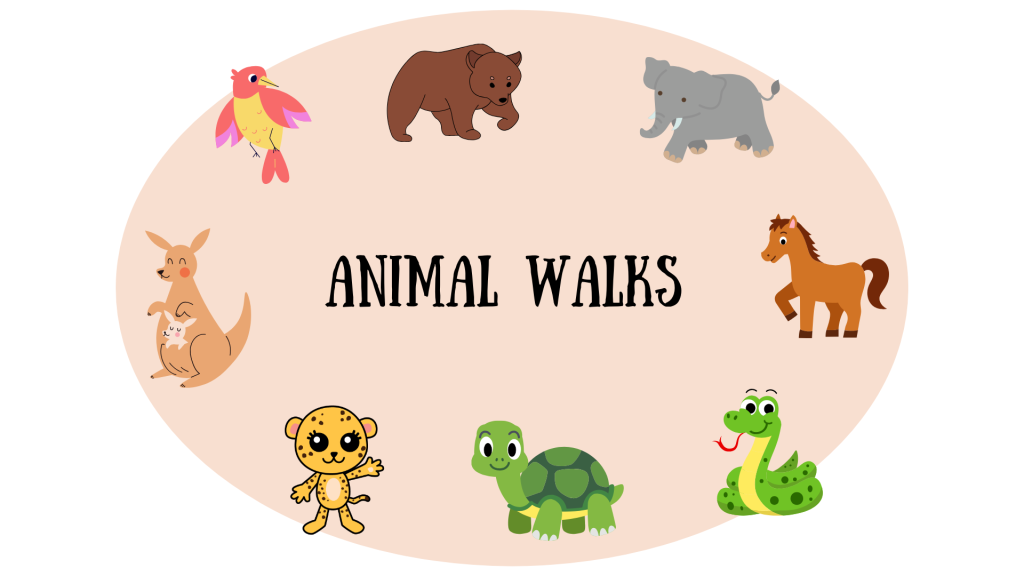
Imaginative play is a window into a child’s developing world where mastering the environment and their own bodies is part of the grand adventure. Among the myriad of activities that children delight in, animal walks hold a special place, not only for their entertainment value but also for their therapeutic power. For any caregiver or educator, understanding the role of animal walks in sensory regulation is vital in supporting the holistic development of children.
Sensory regulation is the ability to maintain an appropriate level of alertness and responsiveness to sensory stimuli. For children, especially those with sensory processing challenges, maintaining this balance is key to their daily function and learning. Occupational therapists often turn to creative and engaging strategies to support sensory integration, and one such approach is through animal walks.
Why are Animal Walks Beneficial for Sensory Regulation?
Animal walks are playful, motor planning activities that encourage kids to imitate the movements of different animals. They offer a fun and effective way to enhance sensory and emotional regulation. This practice carries significant therapeutic benefits for sensory regulation:
- Proprioceptive Input: Animal walks provide deep pressure to the joints and muscles, known as proprioceptive input, which is instrumental in making children more aware of their body in space, thus improving balance and coordination.
- Vestibular Stimulation: These activities can also enhance vestibular function, which involves the perception of movement and balance. Animal movements like rolling or spinning can help fine-tune the vestibular system.
- Motor Skills Development: Practicing these walks helps develop gross motor skills, muscle strength, and endurance as children use various muscle groups to mimic animal movements.
- Focus and Attention: The requirement to concentrate on and replicate specific movements aids in the development of attention span and cognitive engagement.
- Emotional Regulation: Engaging in fun, structured activities can reduce stress and anxiety levels, thus aiding in emotional regulation.
Examples of Animal Walks from an Occupational Therapy Perspective
Here’s a list of various animal walks and their sensory benefits:
- Bear Walks: Have the child walk on hands and feet with hips raised. This walk provides proprioceptive feedback through the arms, strengthens shoulder girdle muscles, and encourages bilateral coordination.
- Crab Walks: Instruct the child to sit with hands behind the body, then lift the hips off the ground and walk using hands and feet. Crab walks engage the core muscles and promote upper body strength while giving vestibular input as the child moves backward.
- Frog Jumps: The child squats and then propels forward into a jump, imitating a frog. This provides deep joint compression in the legs and can help with energy regulation.
- Kangaroo Hops: Direct the child to hop forward with both feet together, relying on the lower body strength. Kangaroo hops offer intense proprioceptive input and vestibular stimulation.
- Snake Crawl: Have the child lie flat on their stomach and use their arms to pull forward, mimicking a slithering snake. This encourages weight-bearing on the arms and strengthens the back muscles.
- Flamingo Stands: Challenge the child to balance on one foot, much like a flamingo. This simple posture can improve balance and proprioception and engage core stability.
- Elephant Stomps: Encourage the child to stomp around the room with heavy feet, holding one arm out front like an elephant’s trunk. This walk is excellent for generating proprioceptive input through the whole body.
- Cheetah Run: Have the child run in short bursts of speed with quick, light steps and a forward lean. This run improves cardiovascular fitness, encourages fast-twitch muscle development, and provides proprioceptive feedback.
- Fly Like a Bird: Have the child stand with feet slightly apart, extend arms out to the sides at shoulder height, and gently flap up and down while balancing on toes. This exercise increases shoulder and arm strength, promotes balance and proprioceptive awareness as well as can be soothing and calming in its rhythm.
- Horse Gallop: Step forward with one foot and let the other follow in a smooth, gliding motion, like a horse’s gallop. Galloping increases cardiovascular fitness, promotes rhythm and timing, reinforces motor planning, and coordinates asymmetrical use of limbs.
By integrating these animal-themed exercises into daily routines, children enhance their sensory regulation in a fun and accessible manner. Not only do these walks improve physical dexterity, but they also play a substantial role in children’s sensory integration, cognitive function, and emotional well-being.
In summary, animal walks are a delightful and effective tool that parents can use to support children’s sensory regulation. Have fun and be creative with identifying different animal walks! Through consistent practice, children not only learn to better engage with their environments but do so with joy and enthusiasm.
No responses yet