
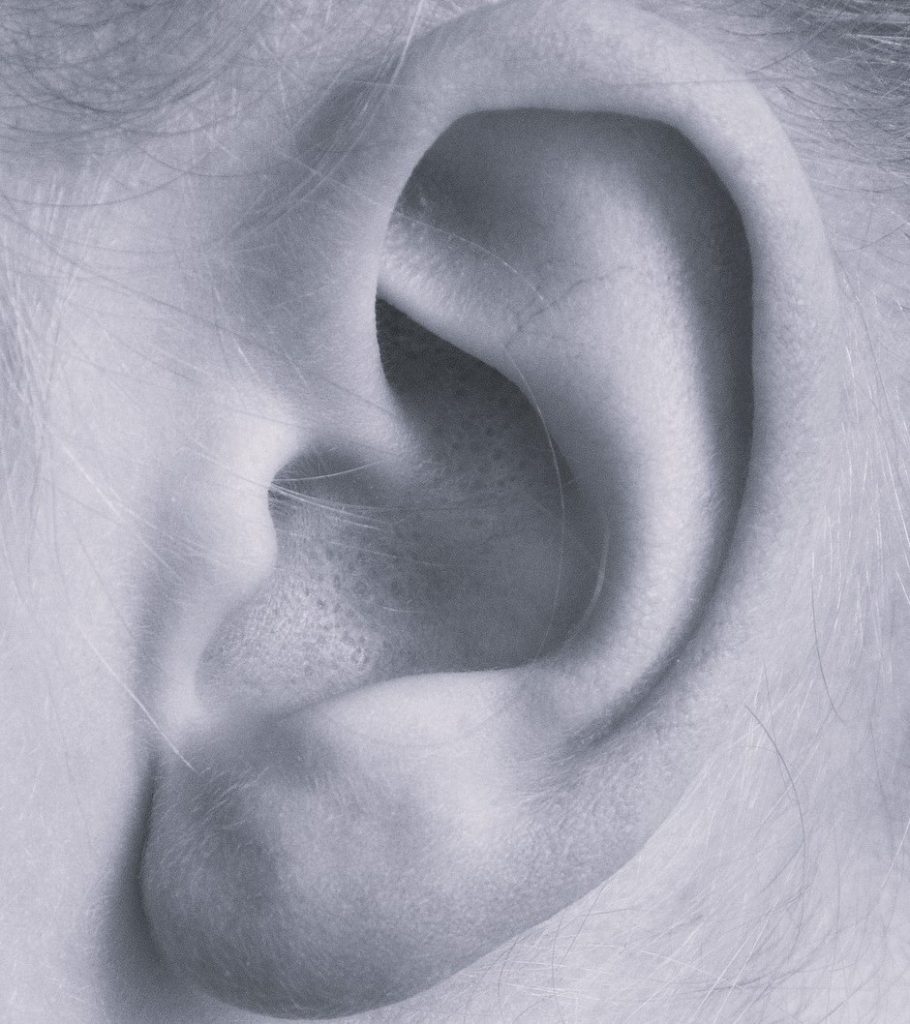
The auditory system is a complex and intricate part of the human body that involves both the sense and organ of hearing. It not only allows us to perceive and interpret sounds but also plays a crucial role in our balance and spatial orientation. The sense of hearing can be interpreted in a variety of ways depending on how the brain processes information coming in.
Understanding the auditory system is essential in understanding your child’s ability to take in, process, and respond to auditory stimuli or sounds. The brain can either let in too much or too little auditory stimuli when processing sounds resulting in under or over responsiveness. If a child is over responsive to sound, they will avoid it or if they are under responsive, they will seek it out.
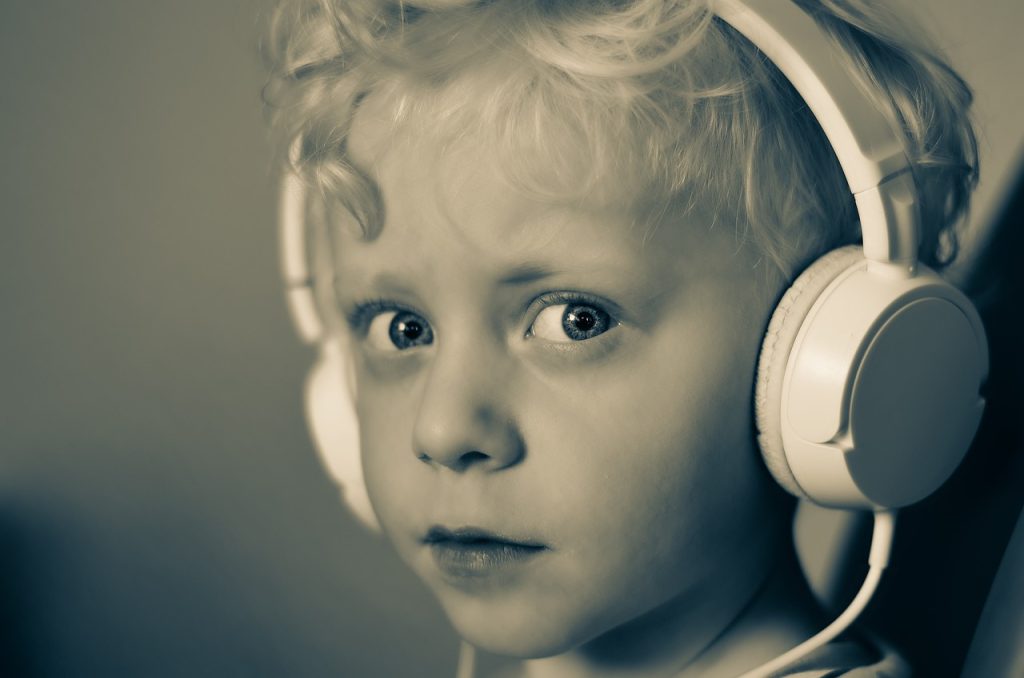
Auditory calming and alerting activities can be beneficial for children’s sensory processing to help regulate their nervous system. Headphones are beneficial for children who avoid sounds and are overwhelmed in loud environments. Here are some examples:
Auditory Calming Activities:
- Listen to Slow Tempo Music – Soft classical music or sounds of nature (like rain, ocean waves, or birds chirping) can have a calming effect.
- Reading Out Loud – The rhythmic sound of a familiar voice can be very calming.
- Soothing Nature Sounds – Using a sound machine or apps that plays nature sounds such as the ocean, rainforest or thunderstorm can help to soothe and calm.
- Humming or Singing Softly – The vibrations can help calm their nervous system.
- White Noise – This could include fans, white noise machines, or apps.
- Stories – Listening to a gentle story or guided meditations can help to relax.
Auditory Alerting Activities:
- Playing Musical Instruments – Drums, cymbals, tambourines, or bells can stimulate the auditory sense.
- Fast Tempo Music – Upbeat music, preferentially with high-frequency sounds like flutes or chimes, can be very alerting.
- Rhythmic Chants or Songs – These can be fun and engaging, helping to motivate or alert a child. Stomping and jumping to the beat can be alerting. Musical Chairs, Hokey Pokey, and Simon Says are a few examples.
- Animal Sounds – Using animal noise toys or apps and asking the child to identify the animal can be a stimulating game.
- Interactive Books – Books with sounds can be engaging and bring the story to life.
Remember, every child is unique, so what works for one may not work for another. It’s important to observe your child’s responses and adjust these activities accordingly. These auditory calming and alerting activities can be adapted and used in a variety of ways depending on a child’s interests. Alerting and calming activities are an important aspect of child development, and auditory activities can be a great way to engage and help a child’s sensory system.
We participate in the Amazon Affiliate Program where a commission is earned on qualifying purchases from sales made from affiliate links within our website. Though we may earn commission, it is at no extra cost to you. We suggest products that may be helpful to you, but there is no obligation to purchase. You know your child the best, so it is up to you to decide if the products will be safe for your child.
No responses yet