
Smell, also referred to as our olfactory sense, is one of the basic five senses. It refers to our ability to detect and identify different odors. Our sense of smell is quite profound as it can directly influence the way we perceive our surroundings and can elicit both conscious and unconscious psychological and physiological responses. Smells can trigger a variety of memories or emotions and are key in stimulating an appetite or causing a sense of disgust.
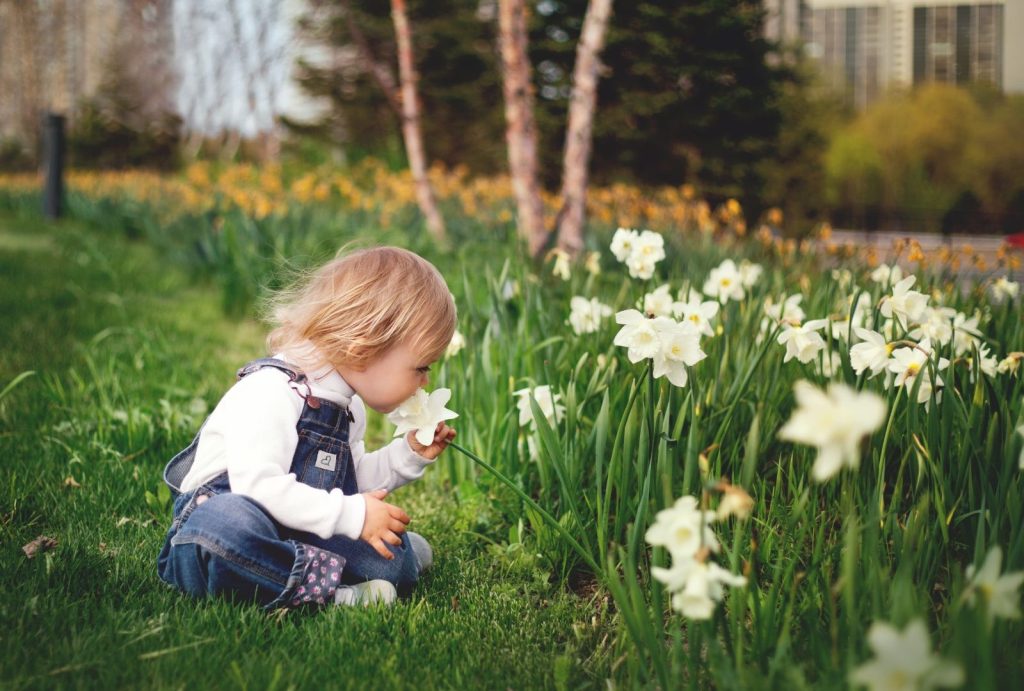
When it comes to sensory regulation in children, the sense of smell plays an integral role. Children use sensory information from their environment to react, plan, and learn. Therefore, the smells they encounter can greatly shape their experiences.
Sensory regulation strategies involving the sense of smell can prove highly beneficial for children, especially those with sensory processing challenges. These might involve using specific scents to aid in relaxation and concentration. In addition, teaching children to use the information they gather from their sense of smell to navigate their environment effectively. The aim is for children to be better able to regulate their responses to sensory experiences, thereby promoting greater comfort, focus, and overall well-being.
Creating activities that incorporate calming or alerting smells can be a great way to engage the senses of children and help them develop a deeper understanding of their sensory perceptions. Here are some activities that can be enjoyable and beneficial to children.
Calming Smell Activities:
- Lavender Play Dough: Make homemade play dough and incorporate lavender essential oil for a calming scent. Manipulating the dough can be therapeutic, while the smell of lavender can help promote relaxation and decrease anxiety.
- Scented Bubble Bath: Use a child-safe bubble bath that has a calming scent like chamomile or lavender. This can be a great routine before bed.
- Smell the Flowers: A simple outdoor activity, have children slow down and actually smell different flowers. This can be a calming and grounding activity.
- Aromatherapy Lava Bracelets: There are lava bead bracelets that absorb and diffuse essential oils. Children can then wear these bracelets and benefit from the calming effects throughout the day.
Alerting Smell Activities:
- Citrus Slime: Make a batch of homemade slime, and incorporate lemon or orange essential oil. The fun textures will engage kids’ tactile senses, while the citrus scents are energizing and mood-lifting.
- Peppermint Painting: Mix a few drops of peppermint essential oil into your paints. As the child paints, they’ll be regularly exposed to the alerting smell.
- Scented Object Hide and Seek: Hide a strongly scented object such as a lemon peel or cinnamon stick. Children have to find it just by using their sense of smell.
- Scented Guessing Game: This works best with stronger, more recognizable scents like mint, lemon, or coffee. Place different scented objects in a box, and have children guess the scent without looking.
Remember, children can have sensitive noses, so always use scents and essential oils carefully and responsibly. Always ensure the oils are properly diluted before use, and never let children handle oils directly. Also, some children may have allergic reactions to certain smells, so it’s crucial to be aware of and accommodate such situations. Smell can assist children in learning about their surroundings. Implementing alerting or calming smells can benefit sensory regulation.
We participate in the Amazon Affiliate Program where a commission is earned on qualifying purchases from sales made from affiliate links within our website. Though we may earn commission, it is at no extra cost to you. We suggest products that may be helpful to you, but there is no obligation to purchase. You know your child the best, so it is up to you to decide if the products will be safe for your child.
No responses yet